

Zequipco Broker Review
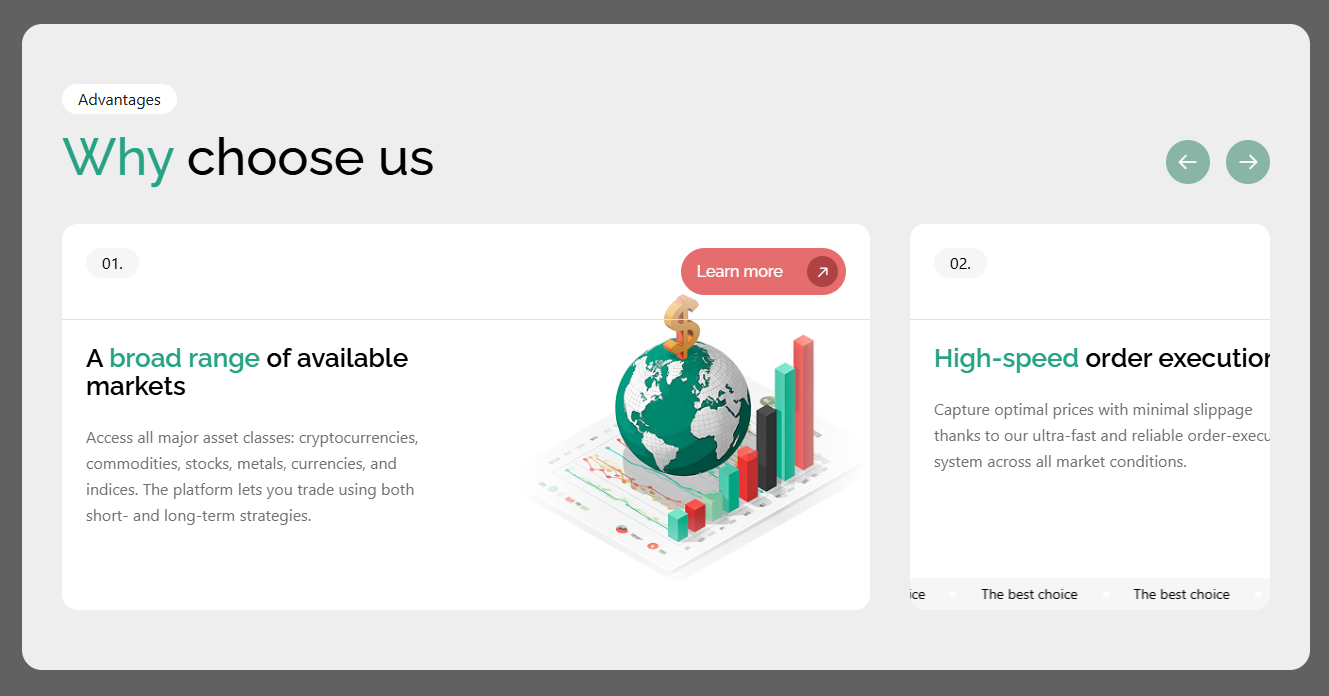
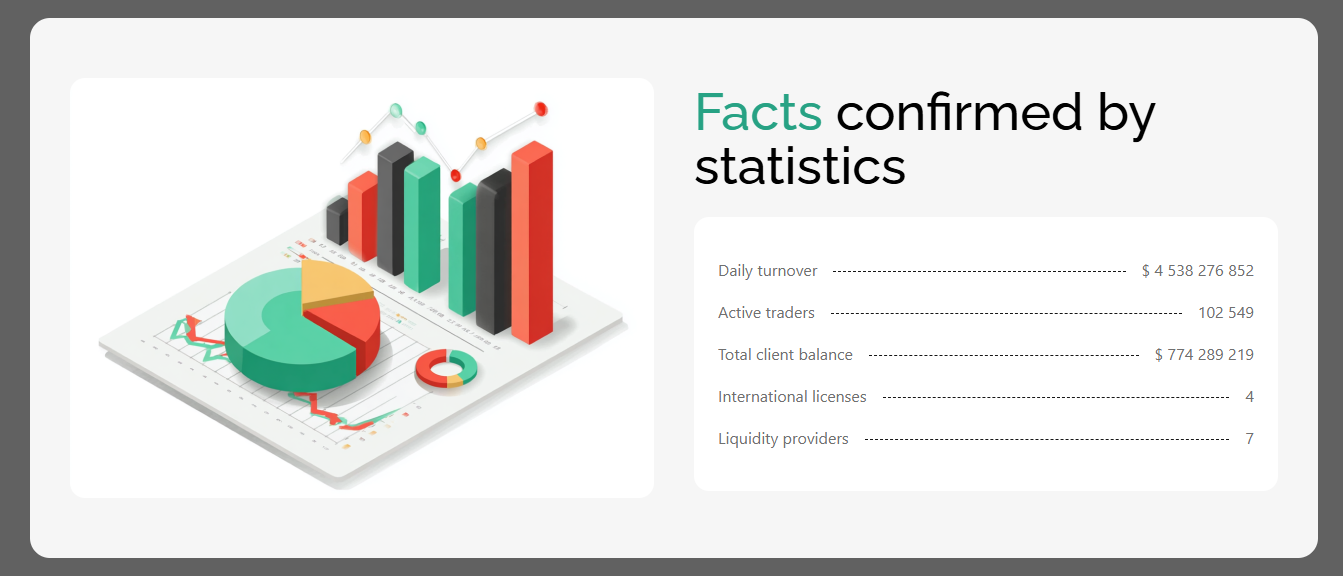
Zequipco presents itself as a global online trading company offering access to financial markets through a modern digital platform. The broker claims to provide services for traders interested in Forex, cryptocurrencies, stocks, indices, commodities, and precious metals. According to its promotional materials, the company has been operating since 2018, serves more than 102,000 traders worldwide, manages approximately $800 million in client balances, and maintains a cryptocurrency stabilization fund exceeding $1 billion.
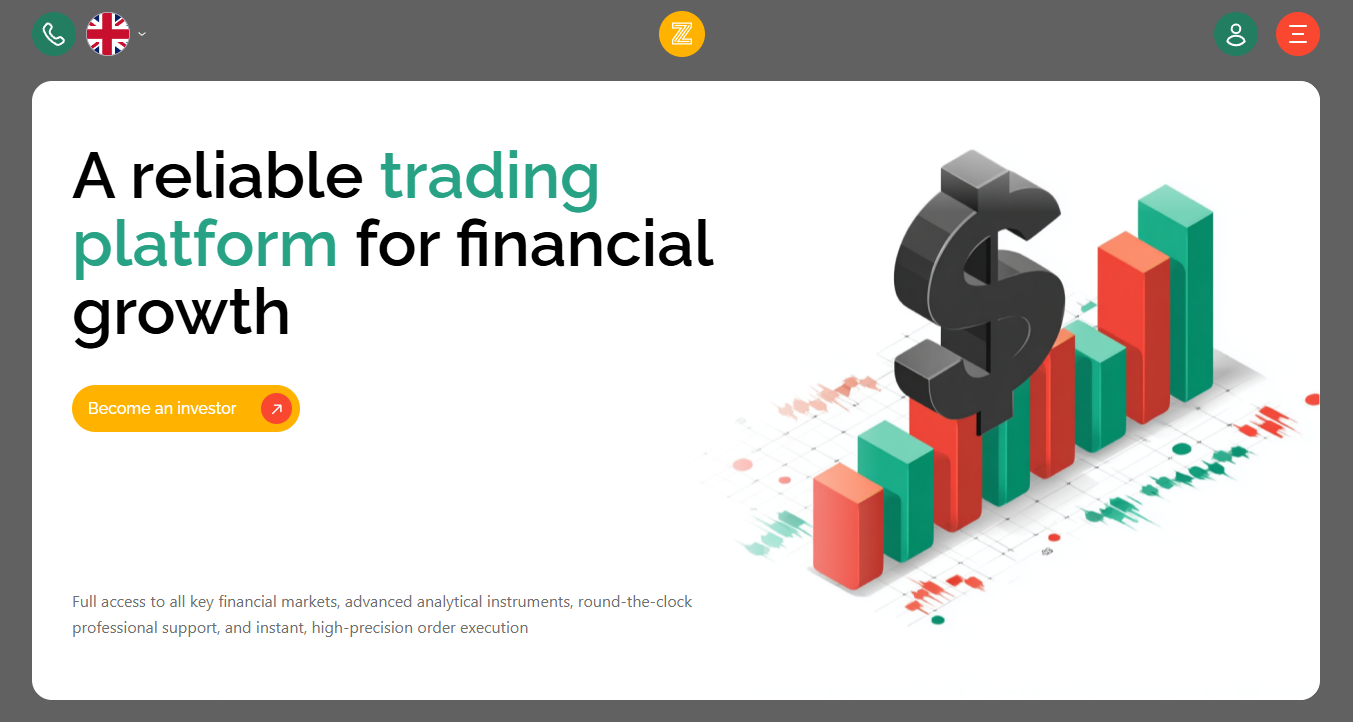
These statements are designed to create the impression of a large and established financial institution. The platform also highlights awards, international operations, professional trading infrastructure, and regulatory oversight from several well-known financial authorities.
However, a detailed review of the available information reveals multiple inconsistencies. The company’s legal status, regulatory claims, website history, and withdrawal procedures raise serious concerns about the reliability of the platform.
The available evidence indicates that Zequipco shows characteristics commonly associated with high-risk brokerage operations, where marketing claims are significantly stronger than the verifiable information behind the company.
False Regulatory Claims and Fake License Evidence
One of the main elements used by Zequipco to attract clients is its claimed regulatory status. The company states that it is authorized by several major financial regulators:
- Financial Conduct Authority (FCA);
- Dubai Financial Services Authority (DFSA);
- Commission de Surveillance du Secteur Financier (CSSF);
- Vanuatu Financial Services Commission (VFSC).
For a legitimate broker, regulatory licensing is one of the most important indicators of reliability. Licensed companies must comply with strict requirements related to capital adequacy, client protection, reporting obligations, and operational transparency.
However, verification of Zequipco’s claimed licenses raises significant concerns. The links presented as evidence of regulation do not lead to official regulator databases. Instead, they appear to redirect users to alternative websites designed to resemble official regulatory pages.
For example, references allegedly connected with CSSF, VFSC, DFSA, and FCA do not match the official domains of these authorities. This creates a major discrepancy between the broker’s claims and publicly verifiable regulatory information.
No valid authorization confirming Zequipco’s status as a regulated investment provider could be identified through official regulatory sources.
This means traders cannot confirm that the company operates under the supervision of a recognized financial authority or that clients have access to standard regulatory protections.
The Problem With Zequipco’s Corporate Identity
According to the information published by the platform, Zequipco operates under the name Zequipco Limited Company and claims to be registered in Argentina.
The company provides the following address:
Blvd. Pres. Dr. Arturo U. Illia 198, X5000ASO Cordoba, Argentina.
However, verification of this location does not provide evidence of an actual Zequipco office. The company’s registration details, ownership structure, directors, and corporate documentation are not publicly available.
A legitimate international broker normally provides detailed information about its legal entity, including:
- company registration number;
- registered office confirmation;
- ownership information;
- regulatory documents;
- responsible management representatives.
In the case of Zequipco, these details remain unclear.
The lack of transparent corporate information is especially concerning because the company claims to operate internationally and manage hundreds of millions of dollars in client funds. A broker handling significant volumes of customer deposits would normally be expected to provide extensive legal documentation.
The company also claims to have a long operational history. However, available domain and website activity information suggests that the current project appeared much later than the claimed foundation date.
Website Network and Hidden Platform Structure
Zequipco operates through several online resources.
The main promotional website is:
- zequipco.com
The trading environment and client access area are connected with:
- zequi-po.pro
Using separate domains for marketing and account management is not automatically a violation. However, in this case, the structure creates additional transparency issues.
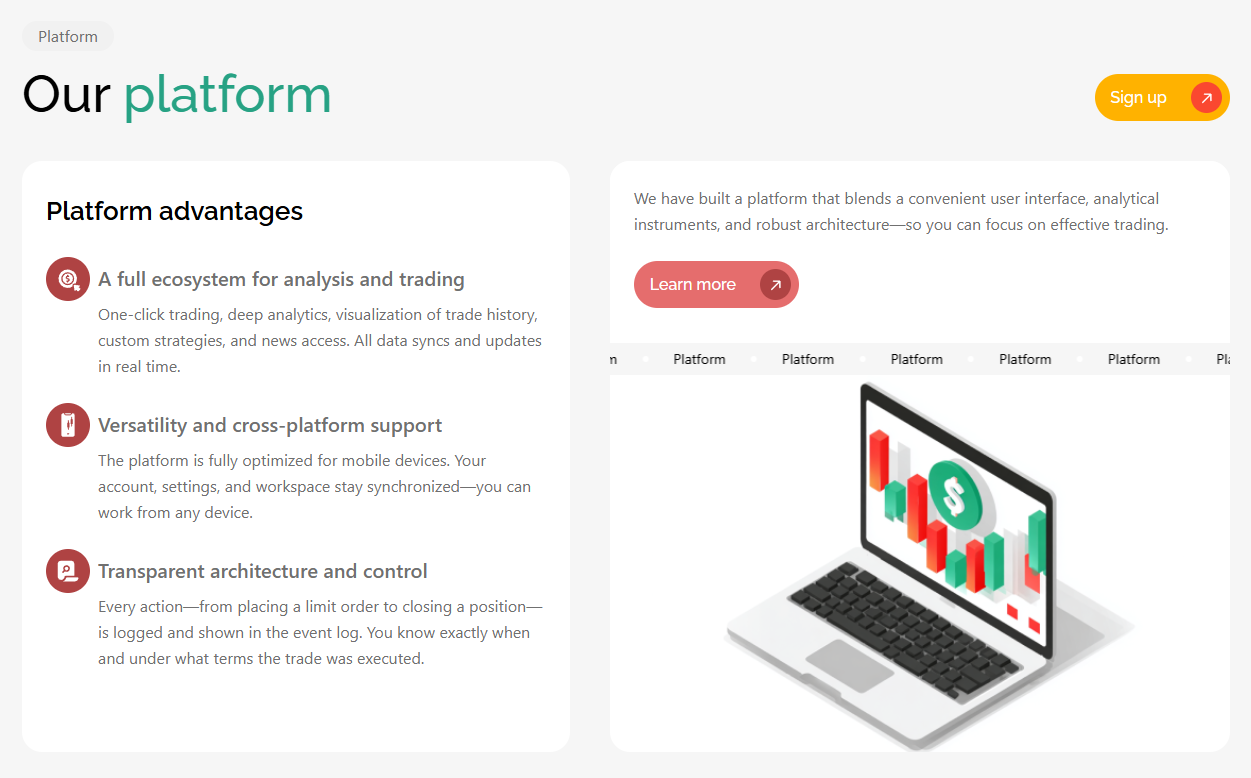
The trading platform is presented as a proprietary solution, but there is limited information regarding its technology provider, development history, or independent verification.
Domain analysis also raises questions about the company’s claimed experience. Although the main domain has an older registration date, domain age alone does not prove that the current brokerage operation has existed for the same period.
Available website history indicates that the active project became visible only in 2026. This creates a significant difference between the claimed years of operation and the period when the platform appears to have started functioning.
Another issue is the use of cloned website structures. The design and presentation methods used by Zequipco appear similar to templates found across multiple questionable financial platforms.
Trading Conditions Designed to Attract Deposits
Zequipco promotes a wide range of trading opportunities, including:
- currency pairs;
- cryptocurrencies;
- stocks;
- indices;
- commodities;
- precious metals.
The company provides access through CFD contracts, meaning clients speculate on price movements without owning the underlying assets.
The broker advertises several account options with different deposit levels:
- starting accounts from $100;
- advanced account options around $1,000;
- higher-level accounts requiring approximately $10,000.
The platform also promotes extremely high leverage of up to 1:500.
Such leverage is significantly above limits applied by many regulated jurisdictions. For example, retail brokers operating under strict European regulations generally cannot offer comparable leverage levels to ordinary clients.
The company also promotes additional earning opportunities, including cryptocurrency staking products allegedly offering returns of 60-70% annually, even on stablecoins.
These types of promises are unusual in traditional regulated brokerage services. Experienced market participants generally treat guaranteed or exceptionally high returns as a potential warning sign because sustainable investment returns cannot be consistently guaranteed.
Zequipco also reportedly offers a referral program promising approximately 20% of a new client’s first deposit. Referral systems are common in many industries, but aggressive deposit-based incentives can create conflicts of interest when the primary goal becomes attracting more funds rather than providing transparent trading services.
FinPilot Terminal and Simulated Trading Concerns
Zequipco presents its trading environment as proprietary technology. However, available information links the platform with a terminal called FinPilot.
The company claims to provide professional trading infrastructure, but there is limited evidence that the platform connects clients with real financial markets.
A major concern with some unregulated broker platforms is the possibility that trading activity displayed in the terminal does not represent actual market transactions. Instead, users may see simulated prices and balances controlled by the platform itself.
Several characteristics increase these concerns in the case of Zequipco:
- lack of connection with recognized trading platforms;
- limited technical information;
- absence of independent verification;
- unclear execution model.
For traders, the difference between a real brokerage environment and a simulated interface is critical. A professional broker should provide transparent information about execution, liquidity providers, and order processing.
Withdrawal Restrictions and Client Reports
The most serious complaints related to Zequipco concern difficulties with withdrawing funds.
According to multiple user reports, clients experienced problems receiving their money after requesting withdrawals. Some customers claim that the company demanded additional payments described as:
- taxes;
- commissions;
- insurance fees;
- account verification charges.
One reported pattern involves requesting additional payments equal to approximately 13-30% of the withdrawal amount before releasing funds.
The company’s user agreement reportedly contains provisions allowing it to restrict or delay withdrawals. It also gives the platform broad discretion to request additional compensation under certain conditions.
Such clauses create potential risks because they may allow a broker to introduce unexpected financial requirements after a client has already deposited funds.
Standard KYC and AML procedures are normal in the financial sector. Brokers are allowed to verify customer identity and payment sources. However, verification requirements should not become an unlimited process preventing legitimate withdrawals.
How the Zequipco Scheme Appears to Work
Based on available information and customer complaints, the operational model reported by users follows several common stages.
First, potential clients are attracted through professional-looking websites, claims of regulation, high profitability opportunities, and communication with account managers.
After the initial deposit, users may see positive trading results displayed inside the platform. This can create confidence and encourage additional investments.

The next stage often begins when clients attempt to withdraw funds. According to complaints, users may then face new requirements, including additional payments or account conditions.
Some reports describe demands for insurance payments, taxes, or extra commissions before withdrawals are processed.
When clients refuse to provide additional funds, they report delays, reduced communication, or account restrictions.
While individual complaints cannot independently prove every aspect of the company’s activity, the repeated similarity of these reports represents a significant risk indicator.
Major Red Flags Identified During Investigation
The review of Zequipco reveals several important warning signs:
- inability to verify claimed financial licenses;
- use of imitation regulator websites;
- unclear company registration and ownership structure;
- unsupported claims about managing $800 million in client funds;
- unsupported claim of more than 102,000 active traders;
- questionable history compared with website activity;
- use of multiple connected domains;
- proprietary trading platform with limited transparency;
- leverage levels reaching 1:500;
- unrealistic staking return claims of 60-70% annually;
- deposit-based referral incentives;
- complaints about withdrawal restrictions;
- reports of additional payments before fund release.
The combination of these factors creates substantial concerns regarding the platform’s reliability.
Final Verdict: Why Traders Should Avoid This Platform
The investigation into Zequipco identifies multiple inconsistencies between the company’s public image and independently verifiable information.
The broker presents itself as a large international financial provider with regulatory licenses, extensive market experience, and advanced trading technology. However, these claims cannot be confirmed through reliable external sources.
The absence of verified regulation, unclear ownership information, questionable licensing evidence, and repeated withdrawal-related complaints indicate that the platform carries a very high level of risk.
A trustworthy broker should provide transparent corporate details, valid regulatory authorization, clear trading conditions, and reliable withdrawal procedures. Based on the available evidence, Zequipco does not meet these basic transparency standards.
Traders considering this platform should exercise extreme caution and carefully verify all information before depositing funds. Choosing regulated financial providers with confirmed licenses remains the safest approach for protecting trading capital.


Reader reviews (0)
No reader reviews yet